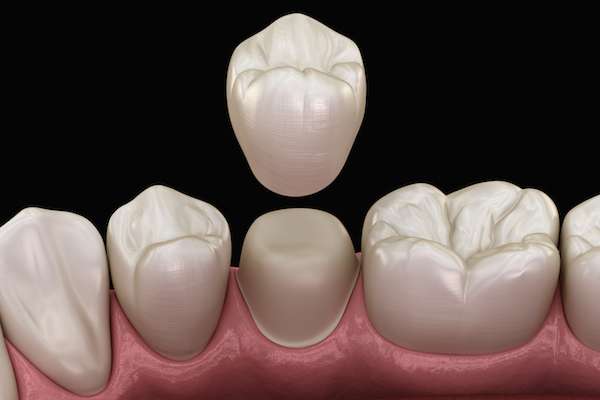
Dental emergencies do not schedule themselves. A crown comes off on a Friday evening, a molar cracks on a popcorn kernel, a child takes a stick to the mouth at the rink in North Tonawanda. Bison Dentistry sees emergency patients from Tonawanda and the surrounding Buffalo area, and the first thing to do is call us at 716-696-1951 so someone can tell you how urgent your situation actually is.
The point of emergency dental care is to control the immediate problem: stop the bleeding, relieve the pressure, stabilize what is loose, and protect the tooth until a permanent repair can be planned. Definitive treatment sometimes happens the same day and sometimes comes later, once swelling has settled and the tooth can be evaluated properly. We will tell you which situation you are in rather than leaving you to guess.
What we offer:
Emergency visits at our Tonawanda office are built around getting you assessed quickly and explaining the options in plain language.
- Same day evaluation when the schedule allows, with triage over the phone so you know what to do before you arrive
- Digital images to see what is happening below the gum line rather than treating what is only visible
- Temporary stabilization for loose teeth, lost fillings and crowns that have come off
- Root canal treatment and extraction when the pulp or the tooth itself cannot be saved
- Care for patients who are anxious about the chair, paced with explanation before each step
- Online appointment requests, with insurance benefits verified by our front desk before treatment is scheduled
What Happens When You Call
Start with the phone call. Describe what happened, when it happened and what you are feeling now. Swelling that is spreading, a tooth that has been knocked completely out and bleeding that will not slow down are handled differently than a chip that is sharp but not painful. That conversation decides whether you are seen today, seen tomorrow, or directed to a hospital emergency department instead, which is the right destination for facial trauma, a suspected jaw fracture or difficulty breathing or swallowing.
At the visit, an exam and images come first. Emergency dentistry that skips that step tends to treat the symptom rather than the source, and the pain returns. Once the cause is identified, the dentist explains what can be done now, what should wait, and what happens if you choose to wait longer. You decide from there.
“Emergency dentistry that skips the exam tends to treat the symptom rather than the source, and the pain returns.”
Situations That Should Not Wait
A reasonable rule is that anything involving spreading swelling, a tooth that has moved, or pain that over the counter medication no longer touches deserves a call the same day. Waiting through a weekend with a tooth that is actively infected tends to make the eventual treatment larger, not smaller.
- A tooth knocked out or pushed out of position, where time matters more than in almost any other dental situation
- Swelling in the gum, cheek or jaw, particularly when it is warm to the touch or growing
- A fracture deep enough to expose the soft inner part of the tooth
- Bleeding after an extraction that does not slow with steady pressure
- A crown, bridge or filling that has come out and left a sharp or sensitive surface
- Pain that wakes you at night or that changes when you lie down
Cold weather adds its own pressure here. Western New York winters mean freezing air on teeth that already have hairline cracks, hard candy and nuts through the holidays, and hockey, sledding and ice injuries from December through March. A properly fitted mouth guard is one of the few genuinely preventive steps available for the sports side of that list.
“Waiting through a weekend with a tooth that is actively infected tends to make the eventual treatment larger, not smaller.”
Why Prompt Care Changes the Options
Dental problems tend to move in one direction. A crack that is confined to enamel can often be restored conservatively. The same crack, left for months, can reach the pulp and turn a filling into a root canal and a crown. An infection contained to one tooth is treated differently than one that has spread into surrounding tissue. Coming in sooner does not change the diagnosis, but it usually widens the list of reasonable treatments the dentist can offer you.
There is a practical side as well. Being seen during regular hours at a practice that has your history and images on file is more straightforward than starting from nothing somewhere unfamiliar, and it gives our front desk time to verify your insurance benefits before treatment begins.
“Coming in sooner does not change the diagnosis, but it usually widens the list of reasonable treatments the dentist can offer you.”
Common Emergency Treatments
What we do depends entirely on what the exam finds. A lost filling or crown may be recemented or rebuilt. A cracked tooth may need a crown to hold the remaining structure together. When decay or infection has reached the pulp, root canal treatment removes the infected tissue and the tooth is then restored. When a tooth cannot be saved, extraction is the honest answer, and we will talk through replacement options such as an implant, a bridge or a partial denture once the site has healed.
Wisdom teeth are their own category. Pain at the back of the jaw, swelling around a partially erupted tooth or repeated infection in that area is worth evaluating rather than managing indefinitely with rinses.
“What we do depends entirely on what the exam finds.”
Frequently Asked Questions
A hospital emergency department is the right choice for facial trauma, a suspected broken jaw, difficulty breathing or swallowing, or swelling that is affecting your airway or your vision. For problems that are confined to a tooth or the gum around it, a dental office is better equipped, because a hospital typically manages pain and infection without being able to treat the tooth itself.
Handle it by the crown rather than the root, rinse it gently if it is dirty, and keep it moist in milk or in your own saliva. Do not scrub it. Call us immediately, because this is the one dental emergency where the interval between injury and treatment matters most.
Call and describe it first. Some things genuinely can wait, such as a chip that is not painful. Swelling, a loose tooth and pain that is escalating should not, and a phone call costs you nothing.
A cold compress on the outside of the cheek and over the counter pain relief taken as directed on the label are reasonable interim steps for most adults. Do not place aspirin directly against the gum. If you take prescription medication or have a medical condition, tell us when you call so the advice fits your situation.
Coverage varies considerably by plan and by employer. Give our front desk your plan information when you call and we will verify your benefits before treatment is scheduled, so you know where you stand ahead of time.
Yes. Chipped front teeth, teeth displaced by a fall and sports injuries are common in younger patients, and we treat children as part of general family care.