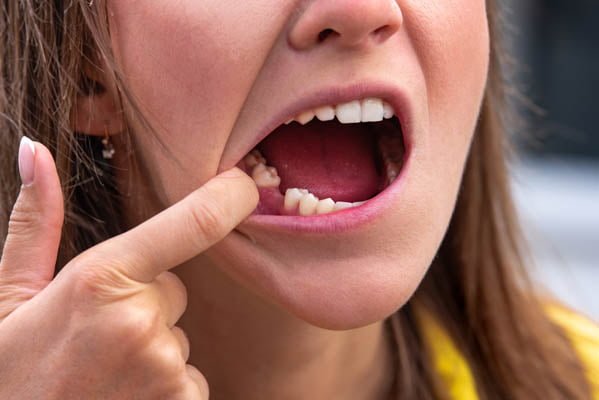
Why Have Regular Oral Cancer Screenings?
It is important to have regular oral cancer screenings as they can help detect the disease before it progresses. These screenings can be conducted during a regular dental checkup and it is recommended to have at least one dental checkup per year. However, it is not clear how often oral cancer screenings should be done as it may vary for each individual. A dentist can assess a patient’s needs and determine the appropriate frequency for screenings. Early detection of oral cancer can increase the chances of successful treatment and remission.
“Early detection may make oral cancer easier to treat when the chances for remission are higher.”
Groups at High Risk for Oral Cancer
Certain individuals may be at higher risk for oral cancer and may benefit from regular screenings. Risk factors include a history of oral cancer, certain types of HPV, heavy alcohol consumption, excessive sun exposure, and tobacco use. If you are concerned about your risk for oral cancer, it may be helpful to consult a healthcare professional about your medical history. They can assess your risk and recommend an appropriate mouth cancer treatment in our Tonawanda office.
Limitations of Oral Cancer Screenings
Oral cancer screenings are an important part of maintaining good health, but it is important to note that they may have limitations. A visual exam may not always be able to detect abnormal cells or precancerous lesions, and an oral cancer biopsy at our Tonawanda dental office may be necessary to confirm the presence of cancer. While there is not yet evidence to show that screenings directly lead to reduced deaths from oral cancer, early detection through screenings may increase the chances of successful treatment and remission. It is important to continue having regular oral cancer screenings at our Tonawanda clinic, even if they may have limitations.
“While the evidence does not yet link screenings with reduced oral cancer deaths, regular screenings may help identify cancers early at a time when remission is more likely.”
What to Expect During an Oral Cancer Screening
During an oral cancer screening, you can expect the process to be quick and easy. No special preparation is required and the screening can typically be done during a routine dental appointment. The dentist will examine all parts of your mouth, including your gums, cheeks, lips, roof of your mouth, tongue, and back of your throat. If you wear dentures, you will need to remove them so that the dentist can check the tissue underneath and the area underneath your jaw during the oral cancer biopsy. At our Tonawanda clinic, the entire screening should take less than five minutes.
Frequently Asked Questions
There is little to no discomfort involved with oral cancer screenings. However, this may not be the case in treating advanced oral cancer.
A. In addition to possessing certain risk factors, patients should see a dentist immediately if they notice the following:
- Changes in denture fit
- Difficulty or discomfort swallowing
- Diminished ability to perform normal oral functions (such as chewing, opening jaw, swallowing)
- Mouth sores or ulcers, especially if they bleed easily or do not heal
- Pain and tenderness in teeth or gums
- Red or white patches in the mouth
- Unexplained lump in the neck, throat, or floor of the mouth
- Unexplained swelling or fullness in the neck
- Visible changes in the mouth tissue
A. Any part of the mouth can be affected by oral cancer. There are two categories of oral cancer: those that affect the oral cavity (lips, teeth, gums, front two-thirds of the tongue, floor and roof of the mouth, and inside of the lips and cheeks) and those that affect the oropharynx (middle region of the throat, including tonsils and the base of the tongue).
As of yet, there are no proven ways of completely preventing oral cancer. However, a general healthful lifestyle may help minimize your chances. Reducing your alcohol consumption, along with stopping or avoiding any tobacco use, may prevent exposing the cells in the mouth to any dangerous chemicals. Keeping an everyday sun protection regimen that involves putting sunscreen on your lips can also help, as can regular dental checkups.
There are four stages of oral cancer. In stage 1 oral cancer, the tumor is at or under 2 centimeters in size, and the cancer has not spread to the lymph nodes. In stage 2 oral cancer, the tumor is at or under 4 centimeters in size, and the cancer has not spread to the lymph nodes. In stage 3 oral cancer, the tumor could be larger than 4 centimeters but not spread to the lymph nodes. Alternatively, the tumor has spread to one lymph node but not any other parts of the body. In stage 4 oral cancer, the tumor can be any size, and the cancer has spread to other parts of the body. Oral cancer screenings can catch "stage 0" cancer when cells have yet to become cancerous. Cancers caught in the earliest stages have the highest five-year survival rates.